Life in General

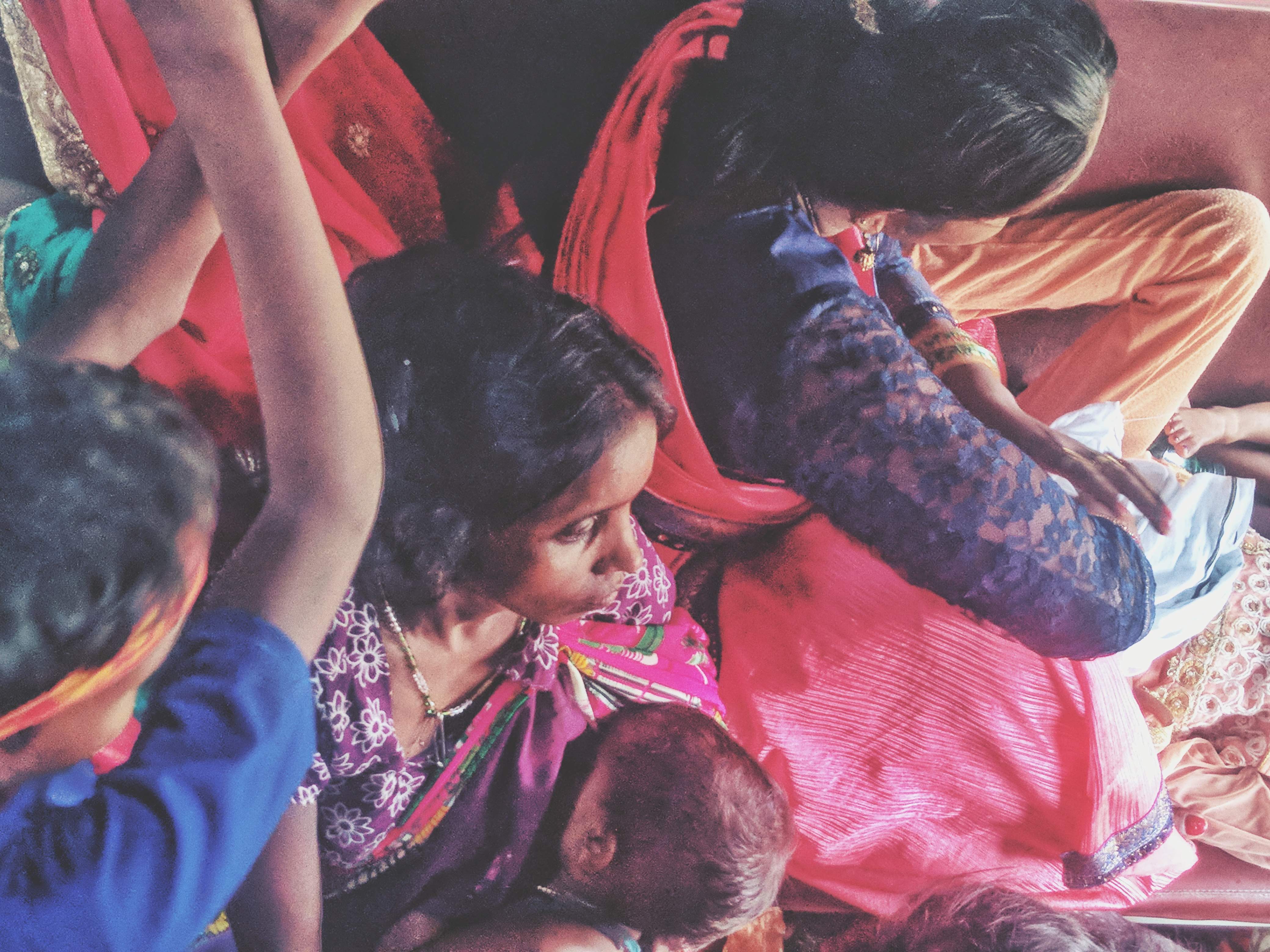
There is a class of travel in India that has no class, and that is precisely its character.
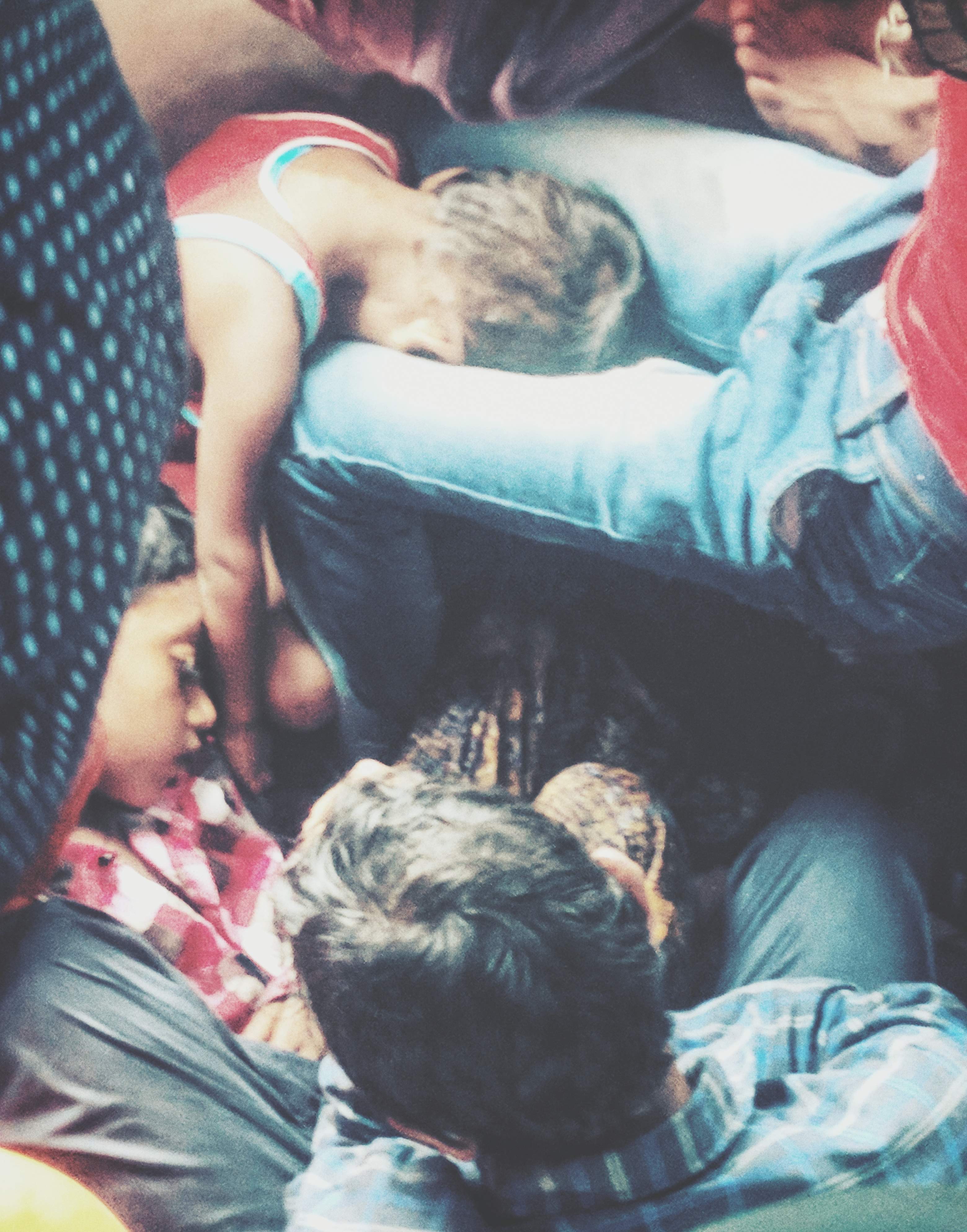
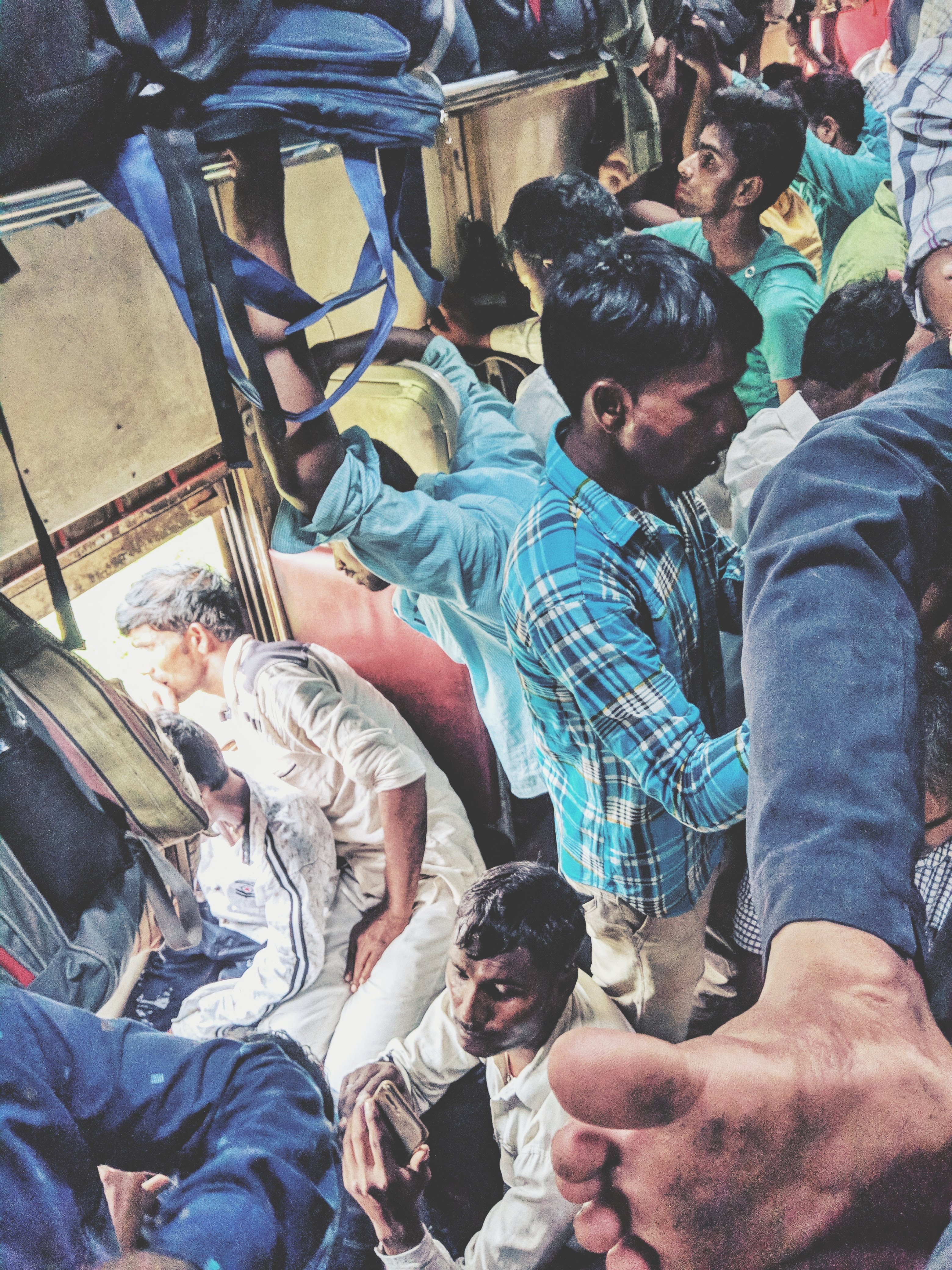
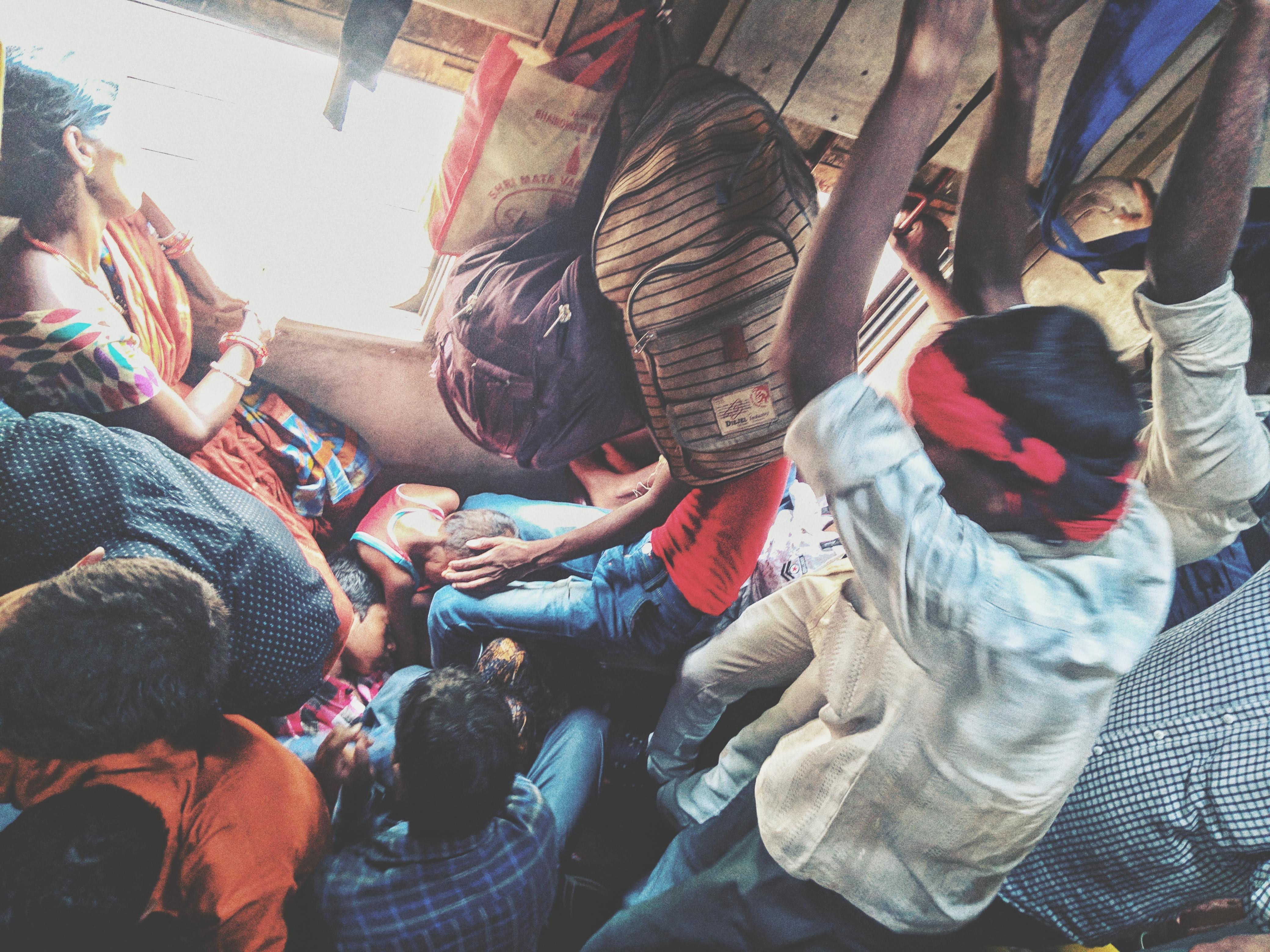
The general compartment does not assign you a berth. It assigns you a position in the human arrangement, which shifts constantly and belongs to no one. Ticket holders and ticketless passengers breathe the same air. The floor fills before the seats. Children sleep across the laps of people whose names they will never know, with a trust that adults spend their whole lives carefully dismantling.
I had come down from the hills in August of 2019. The plains received me the way plains always do — with heat and a flatness that feels, at first, like the absence of something. Up in the hills, distance is measured in gradient and effort. Down here, the land offered nothing back, and so people filled the space instead.
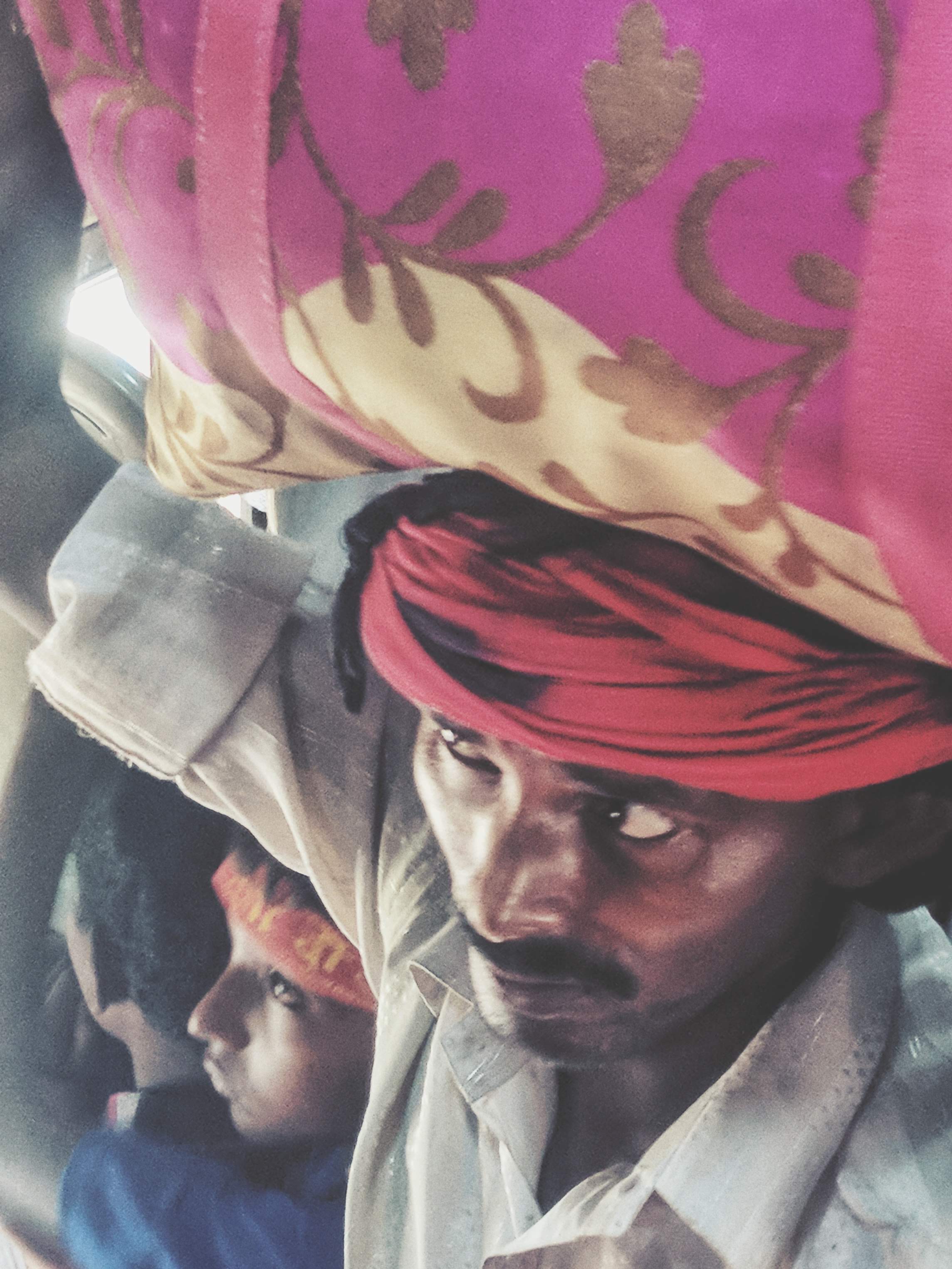
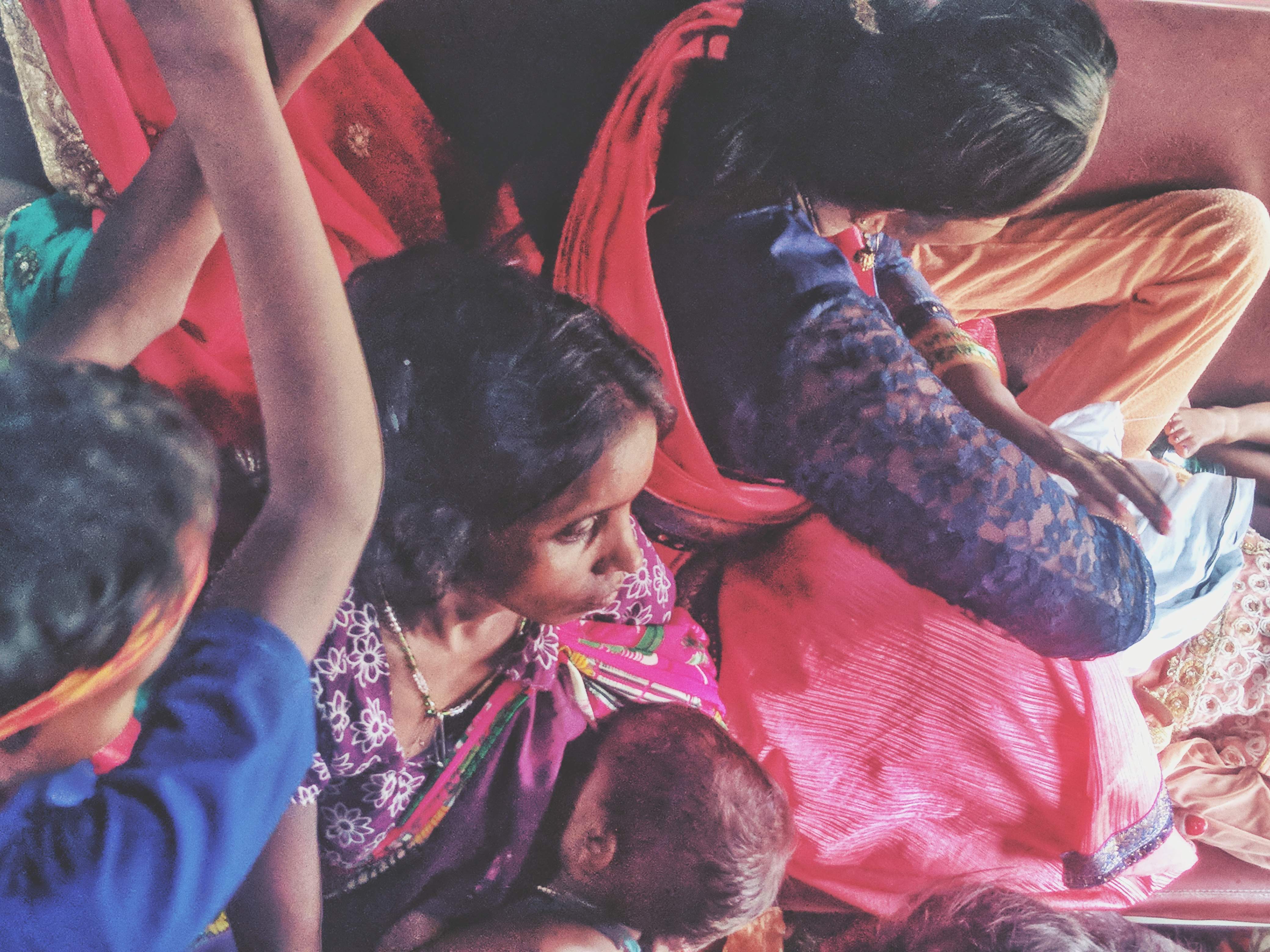
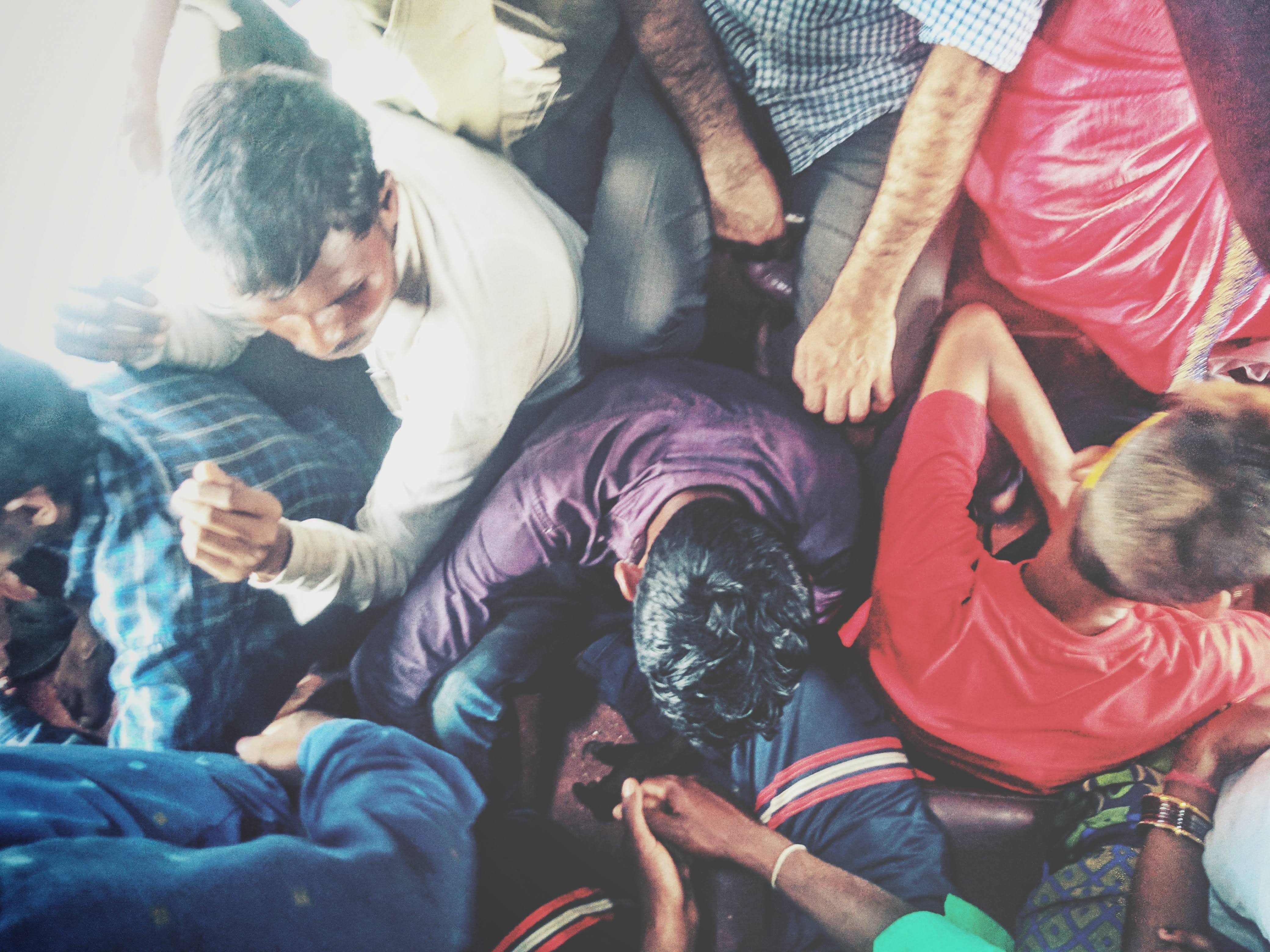
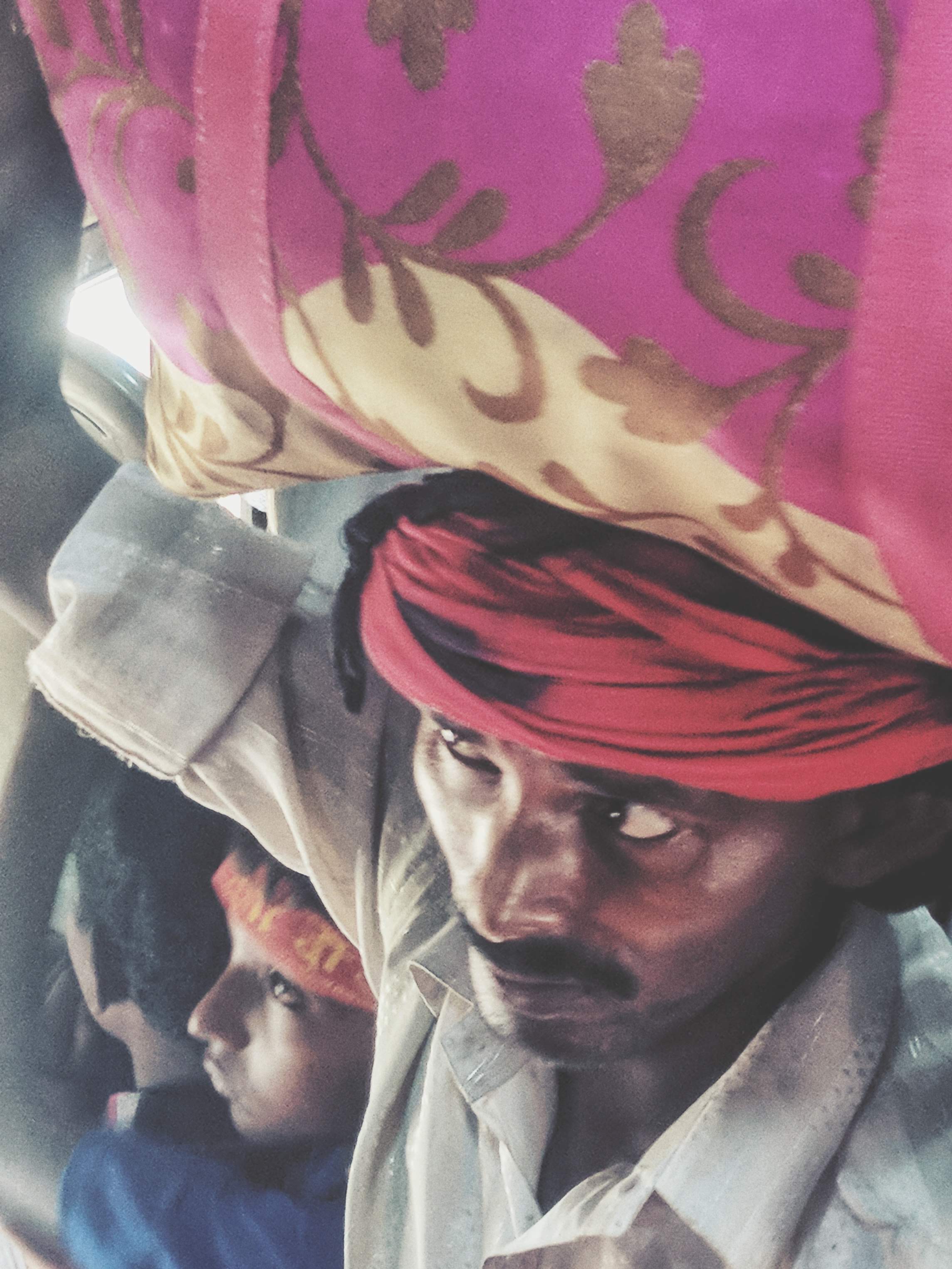
The man with the rose turban sat with the stillness of someone for whom waiting had long since stopped being a condition and become simply a posture. Around him, the coach moved in the way that general compartments always move — children rearranged themselves across strangers, bags shifted and fell and were not always retrieved, someone's elbow found someone else's shoulder and stayed there. He did not adjust. The turban caught whatever light entered and held it, the only vivid thing in the whole frame, and he seemed entirely unaware of it.
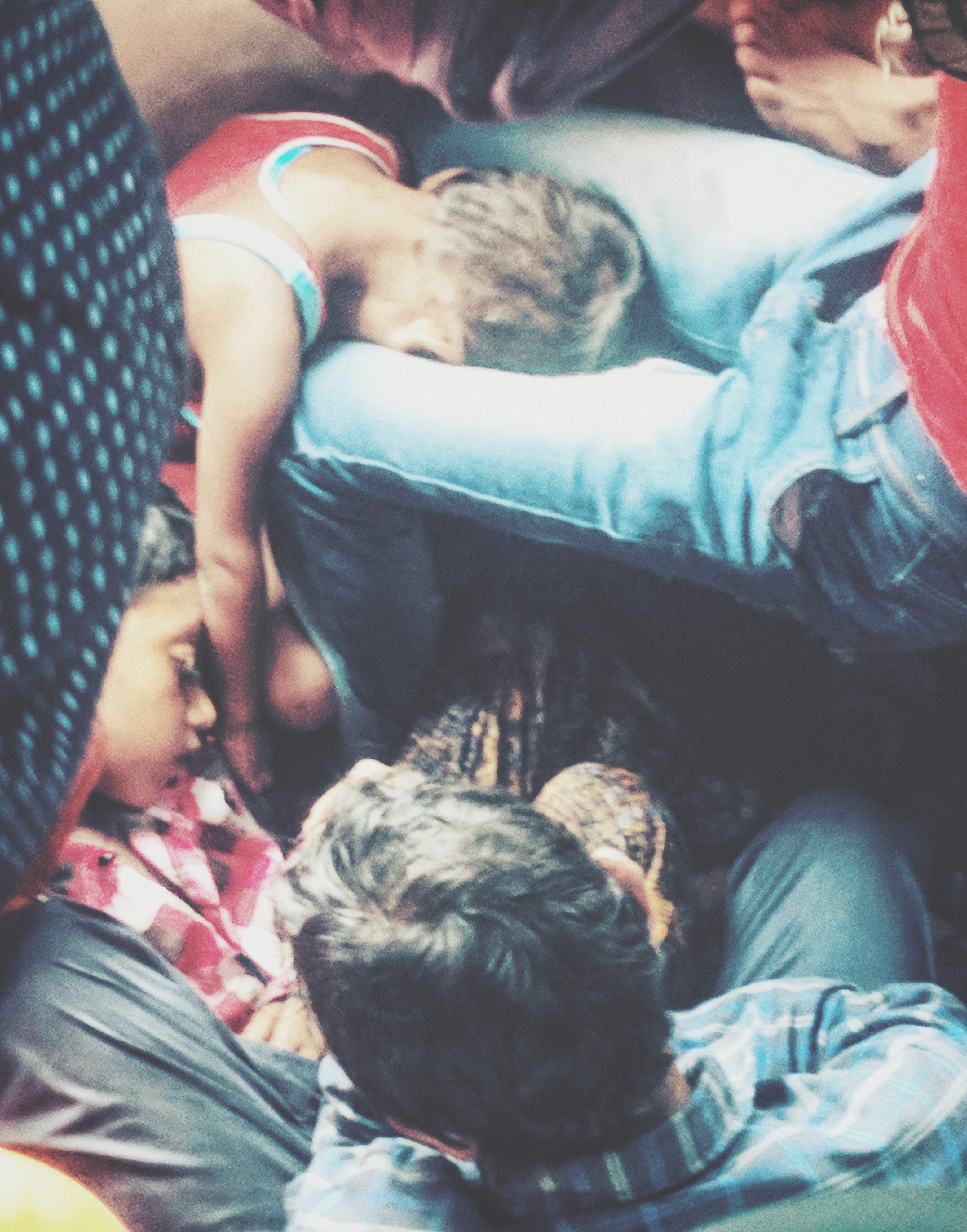
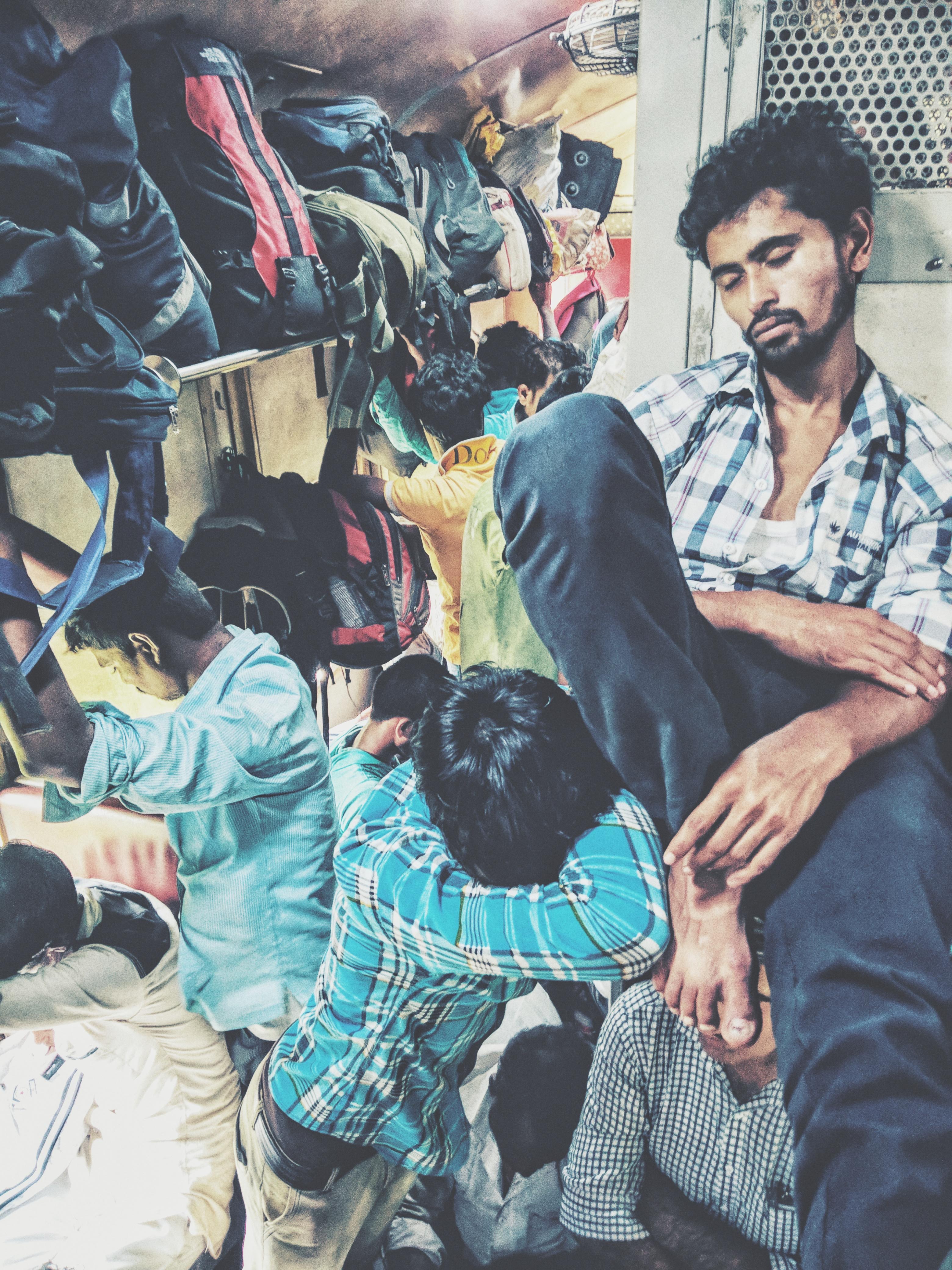
Sleep in the general compartment happens without permission. One person's exhaustion becomes another's inconvenience and then, after a few minutes, something almost like shelter. Arms find shoulders. Heads tip sideways into whatever gap is available. The body, when exhausted enough, turns out to be far more practical than the mind — it simply solves the geometry of shared space and stops consulting anyone about it.
I watched this happen and found I had no clean name for what I was seeing. Not suffering. Not endurance. Something closer to the ordinary intelligence of people who have been traveling a long time.
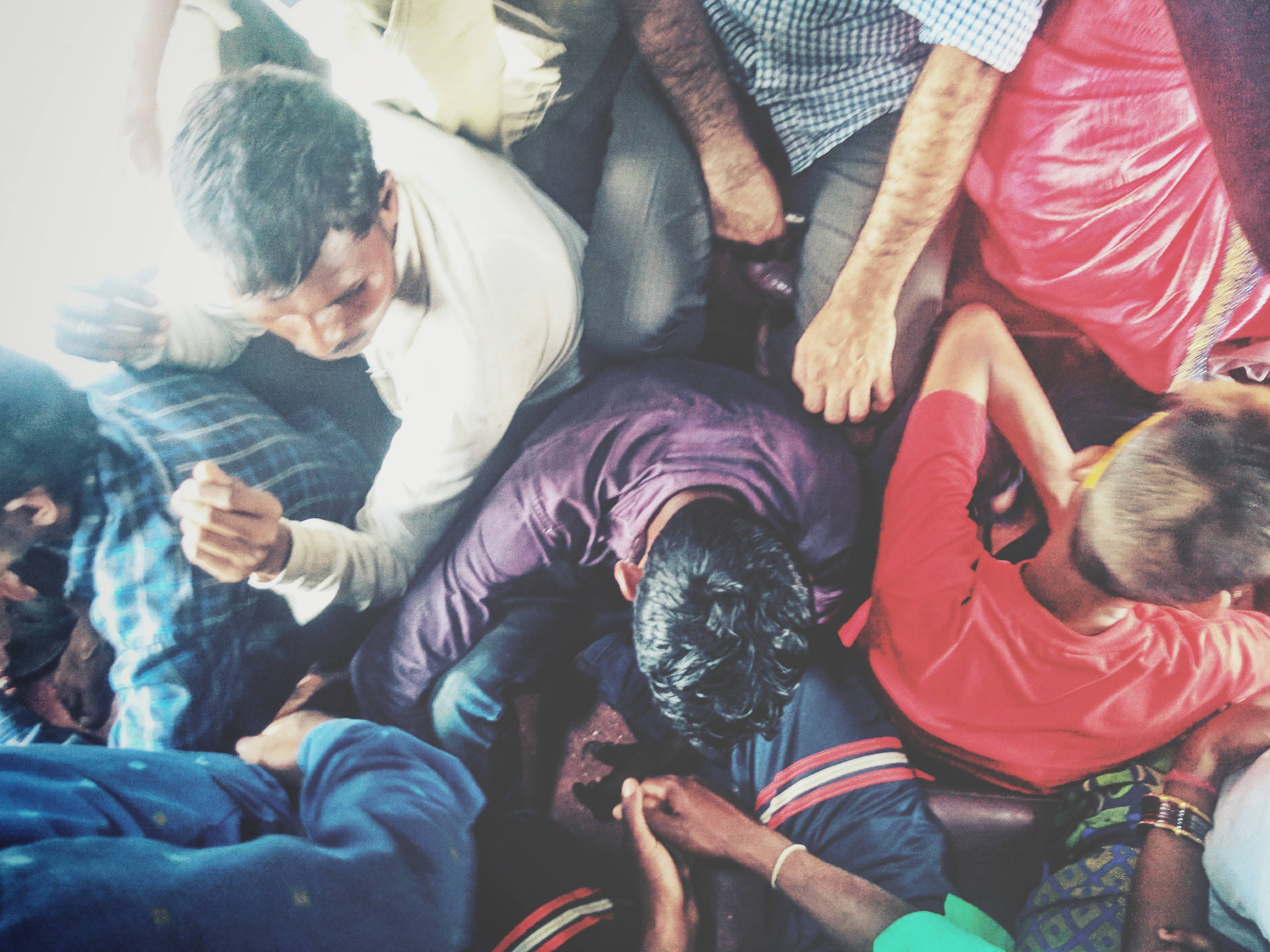
There was an older man near the window. His face had accumulated time the way roads accumulate dust — not dramatically, not with the specific gravity that films want to give weathered faces, but simply through long exposure. He was watching whatever the window showed him, which was probably not very different from what it had shown him the last hundred times. He was not troubled by this. He seemed to expect very little from windows in general, and to be consistently right about them.
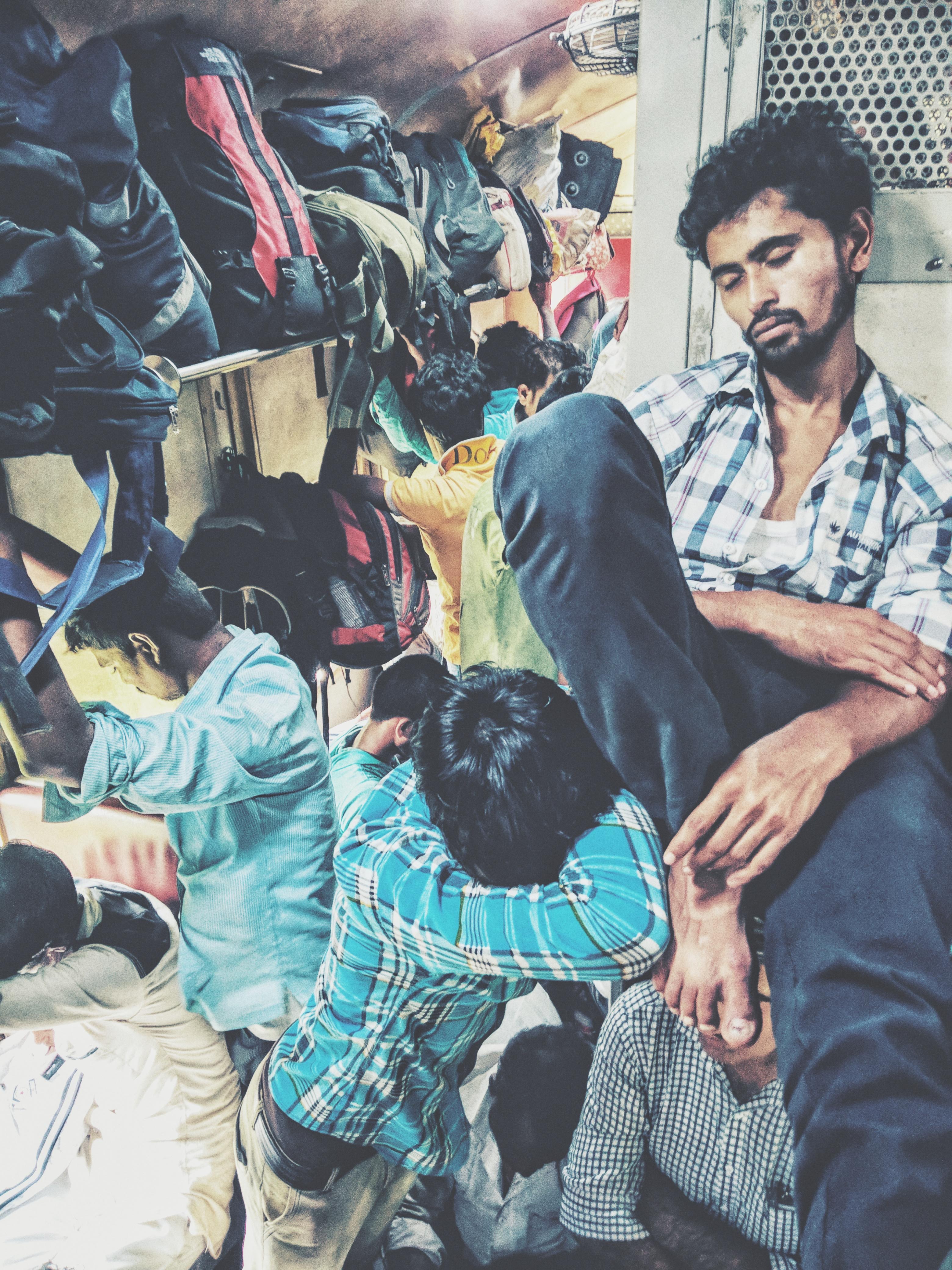
One young man slept with his hands folded on his lap like someone who had arrived at a decision and was done with the deliberating. Around him the compartment continued its arrangements — bags overhead in improbable stacks, the person in the teal shirt hunched forward with their forehead on their knees, someone's elbow finding a shelf of another person's shoulder. He was not involved in any of it. His face had the particular smoothness that sleep produces when the body has finally stopped managing the situation and simply surrendered to it. I have seen that expression on people meditating for years without getting there. The general compartment, apparently, is faster.
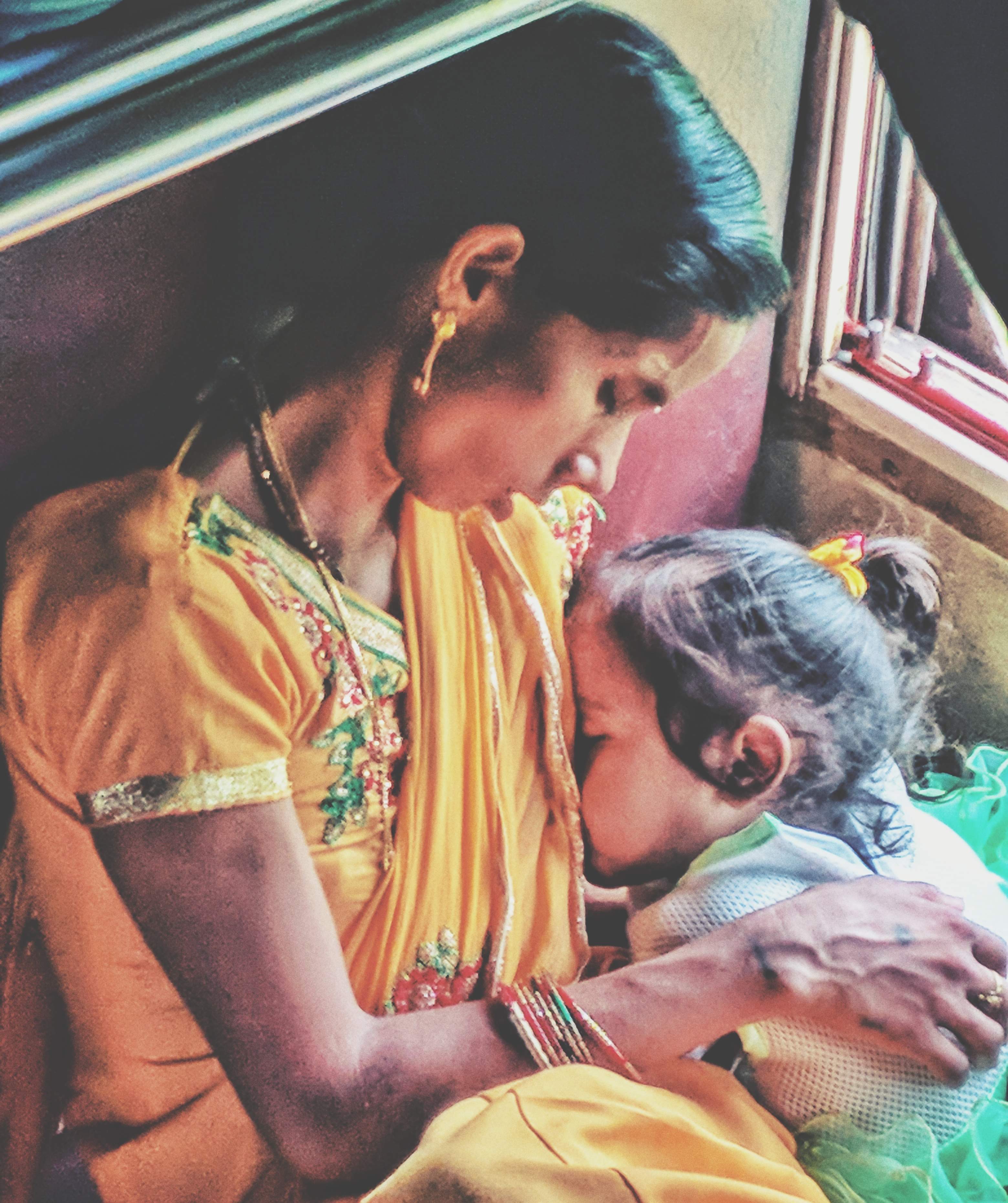
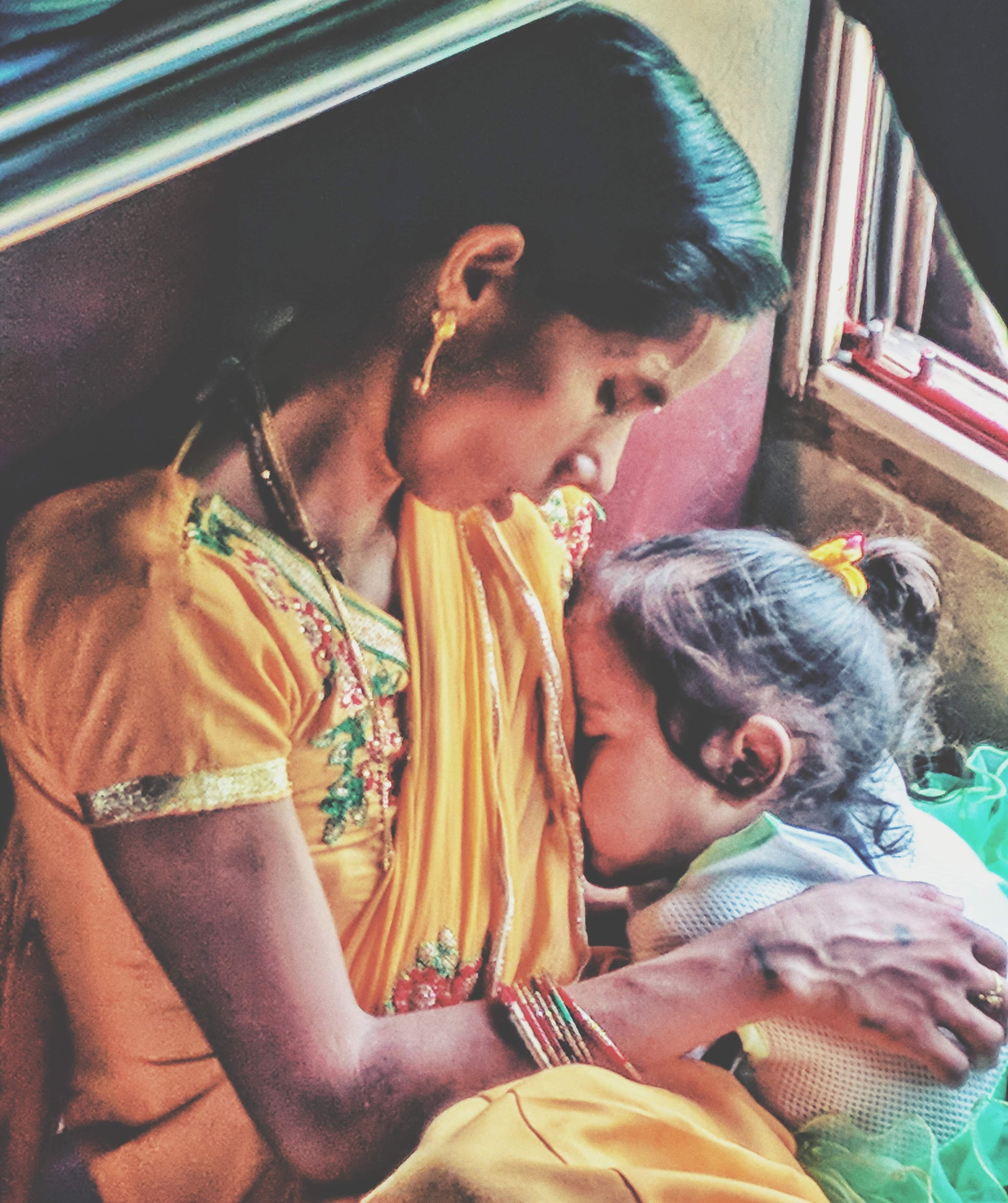
Somewhere in the middle of the coach, a woman sat with a sleeping child the way you carry something you are not allowed to set down. The child had found its arrangement. The woman was very still, looking at nothing in particular, which is another way of saying she was thinking whatever you think when you have stopped thinking and the body is simply present.
I pressed the shutter several times that afternoon. What I was recording, I am still not entirely sure. It was not poverty — that word would have arrived too easily and explained nothing worth explaining. It was not what people have lately taken to calling resilience, which has become a way of admiring what should not require admiration. It was something quieter than either of those. A record of people in motion who had stopped performing motion. People who were simply somewhere, on their way to somewhere else, with no energy left over for the business of being observed.
In the hills where I live, the scale of things gives you your position — you are small, the mountain is large, and this is clarifying. In the general compartment, you are the exact same size as everyone around you. Which turns out to be the only kind of equality that cannot be argued with.
The train moved south. The light outside shifted. People slept and woke and slept again. The man with the turban remained. I put my camera away before we reached the station, which felt like the right thing to do, though I could not have said exactly why.
Photographs: August 2019. Train, somewhere between the hills and the plains.